A smartwatch buzzing on your wrist at the end of a treadmill session feels satisfying. That little nudge, the step count, the heart-rate graph, it all adds up to one thing: proof you showed up. Using a fitness tracker at the gym in Englewood, Ohio is one of the easiest ways to turn “I should work out more” into something you can actually see and stick with. The trick is treating it as a tool, not a coach.
Wearable technology is the top-ranked fitness trend for the year, according to the American College of Sports Medicine. It has held that number-one spot for three straight years in ACSM’s annual survey of fitness professionals. That tells you something simple: these devices are genuinely useful for building habits, not just a passing gadget.
Why a tracker helps you stay consistent
Consistency is where most fitness plans fall apart. Some weeks are busy. Life gets in the way. A tracker helps because it gives you steady feedback instead of relying on memory or motivation alone. If you want practical strategies for showing up week after week, our guide on how to stay consistent at the gym pairs well with the data your watch collects.
ACSM notes that fitness trackers, smartwatches and heart-rate monitors support behavior change through feedback and goal setting. When you can see your week filling in with activity, you are more likely to come back. That visible progress is the real value.
Set a weekly target you can hit
Start with a number from a trusted source rather than guessing. The Physical Activity Guidelines for Americans recommend adults get at least 150 to 300 minutes a week of moderate aerobic activity, or 75 to 150 minutes of vigorous activity, plus muscle-strengthening work on two or more days.
That gives you a clear goal to program into your watch. For example, you might aim for 30 minutes of moderate activity five days a week. Your tracker can then show how close you are as the week goes on.
Here is the encouraging part. The guidelines also note that any amount of activity has some benefit, and short bouts throughout the day count. The old 10-minute-minimum rule is gone. That means a quick 15-minute strength session on a busy day still moves you toward your goal.
Using heart rate to gauge effort
One of the most useful features on a tracker is the heart-rate monitor. It helps you understand how hard you are actually working, which matters more than how hard you think you are working.
The American Council on Exercise explains that target heart-rate zones are based on a percentage of your estimated maximum heart rate. Staying in a range during aerobic exercise gives you a practical sense of intensity. ACE frames these zones as general guidelines, not exact targets.
That qualifier matters. Predicted maximum heart rate relies on age-based math, and individual variation is real. So read your heart-rate data as a guide, not a precise measurement.
A no-device backup check
Trackers are great, but they are not the only way to judge effort. The talk test is a simple backup. During moderate activity you can talk but not sing. During vigorous activity you cannot say more than a few words without pausing for breath.
Use both together. If your watch says one thing and your breathing says another, trust what your body is telling you. High-energy formats like our Zumba classes are a fun way to put the talk test into practice.
Tracking sleep and recovery
Workouts are only half the picture. Recovery is where your body adapts, and sleep is a big part of that. Many trackers now estimate how long and how well you sleep.
The CDC, drawing on a consensus from the American Academy of Sleep Medicine and the Sleep Research Society, recommends adults get seven or more hours of sleep per night on a regular basis. Your tracker can help you notice patterns, like whether late gym sessions push your bedtime back.
Still, keep expectations honest. A tracker’s sleep data is an estimate, not a diagnosis. If you are consistently concerned about sleeping too little, talk to a healthcare provider rather than leaning on the app.
Avoiding too much, too soon
New members sometimes go all-in and burn out in two weeks. A tracker can gently push back against that. When you see your effort and rest laid out, it is easier to spot when you are overdoing it. Mixing in structured group fitness classes can also help you balance hard days with lighter ones.
That said, no device guarantees it will prevent overexertion or injury. Use the data as one signal among several. If you are starting a new movement, proper form matters more than any metric, and working with one of our trainers is the safest way to learn it.
If you take any medication that affects heart rate, or you have a health condition, check with your physician before chasing heart-rate zones. ACE recommends this directly. Your device accuracy also varies between brands, so treat every reading as guidance.
Where the gym fits in
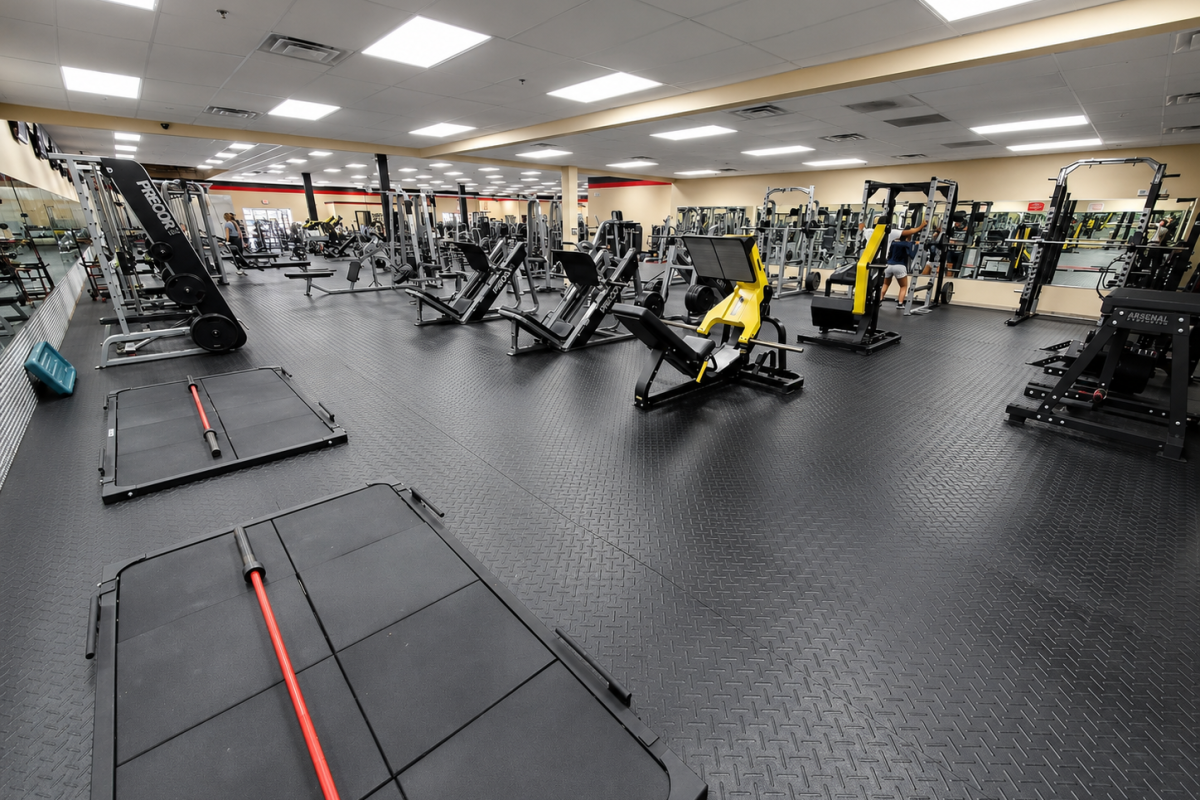
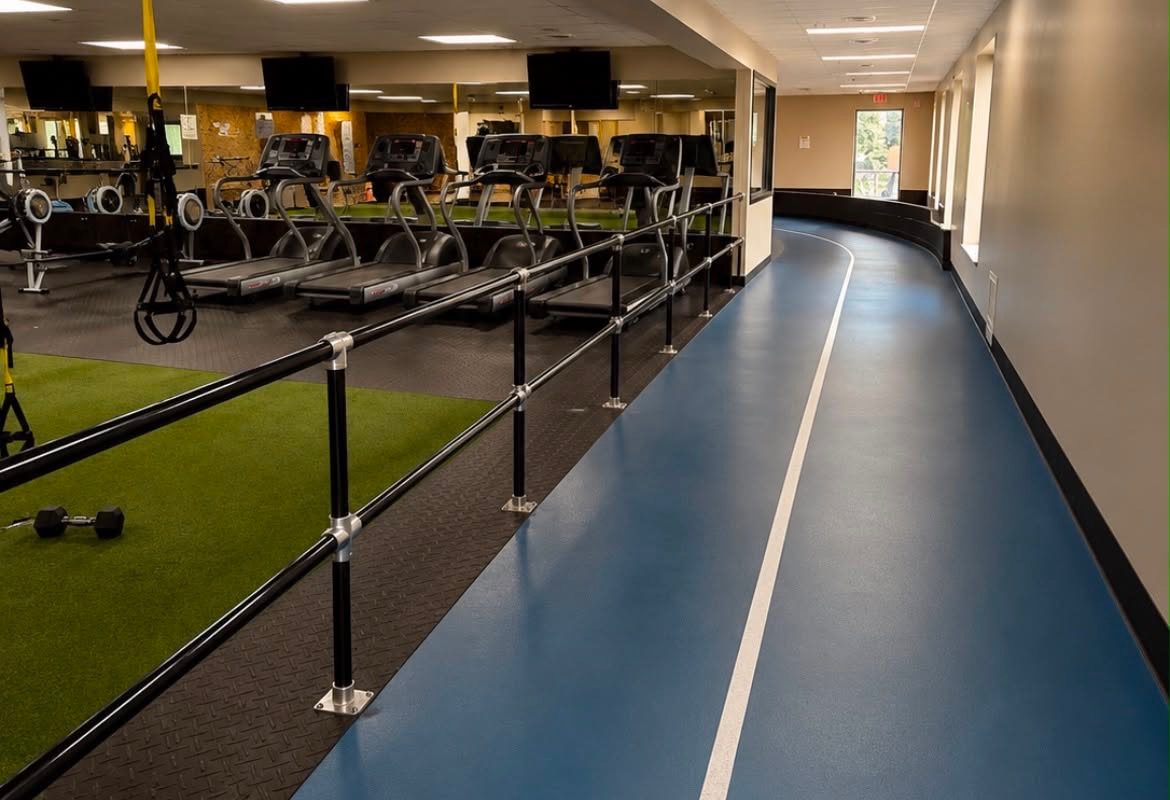
A tracker tells you what you did. A gym gives you something worth tracking. At our Englewood club you will find free tanning, a full strength floor with racks, machines and free weights, and a lineup of cardio equipment including treadmills, bikes and ellipticals. That variety keeps your weekly minutes interesting.
Pair the two and the habit builds itself. You walk in, log your session, hit your zone, and watch the week fill up. Over time, that visible rhythm is what keeps people coming back.
Want to see how it feels before committing? You can claim a free one-day pass and bring your watch along for a test drive.
This article is for informational purposes and is not medical advice. Consult your physician before starting any new fitness or nutrition program.
Everybody Fitness is a family-owned company that has run clubs across Southwest Ohio since 2012. With eight locations spanning the Dayton and Cincinnati metros, there is a good chance one is near you, ready to pair with whatever wearable is on your wrist.