You showed up to the gym three times this week, and it’s starting to feel like a routine instead of a chore. That’s a real win. Once your training gets consistent, one question tends to come up fast: when should you actually eat around your workouts? Understanding meal timing around workouts for beginners in Kettering, Ohio can help your sessions feel better without turning food into a math problem.
This isn’t about strict rules or counting every gram. It’s about a few simple habits that make your time on the floor at Everybody Fitness more comfortable and your recovery a little smoother.
Why meal timing matters once you’re training regularly
When you worked out once in a while, when you ate didn’t change much. Now that you’re showing up several days a week, your body is asking for fuel more often. That’s a good problem to have.
The goal here is simple. You want enough energy to get through your session, and the right building blocks afterward to recover. Get those two things roughly right, and most beginners notice their workouts feel steadier.
Keep in mind that food timing is individual. What works for a 6 a.m. lifter in Kettering might feel wrong for someone training after work. Use these ideas as a starting point, then adjust to your own body.
What to eat before a workout
The Academy of Nutrition and Dietetics suggests eating a snack or small meal roughly one to four hours before exercise. Eating too close to your session can cause stomach discomfort while you train.
So if you lift at 5:30 p.m. a small snack mid-afternoon usually sits better than a big meal five minutes before you walk in. The exact window depends on how your body tolerates food.
Don’t train fasted by accident
Here’s a common trap for morning exercisers. You roll out of bed, skip breakfast and head straight to the gym. The Academy of Nutrition and Dietetics discourages skipping breakfast before a morning workout.
Why? Your body needs fuel to function during exercise. Eating something beforehand, rather than training in a fasted state, has been shown to support exercise performance and helps keep blood sugar steady.
That doesn’t mean you need a full plate at dawn. Even a banana or a half peanut-butter sandwich can give you something to work with before an early session.
What to eat after a workout
After you finish, your muscles are ready to replenish and repair. The Academy of Nutrition and Dietetics recommends focusing on carbohydrates and protein afterward, ideally within about an hour of an intense workout.
Treat that hour as a general rule of thumb, not a strict deadline. If your session was lighter, as beginner workouts often are, there’s no need to stress about the clock. Just plan a reasonable meal or snack once you’re done.
Carbs help refill your energy stores, while protein helps your muscles rebuild. Getting both after training matters more than hitting a perfect minute count.
Why protein matters at your meals
Protein does a specific job. The Academy of Nutrition and Dietetics describes it as an essential nutrient responsible for building and repairing tissues, including muscle.
That’s why including some protein at your meals matters once you’re exercising regularly. Your body needs a regular supply to make and repair cells, and your needs depend on your age, sex, health and activity level.
The practical takeaway is simple. Pair protein with carbohydrates around your sessions, and include some protein at meals throughout the day. You don’t need exact gram targets to start benefiting from this habit. If you want structured help dialing in your routine, working with a coach through personal training can take the guesswork out of it.
Simple pre and post snack ideas
You don’t need special foods or anything complicated. The Academy of Nutrition and Dietetics lists easy options that combine carbs with a bit of protein.
Before a workout, consider:
- Oatmeal with fruit and low-fat milk
- A half peanut-butter sandwich
- A banana
- A small handful of trail mix
After a workout, try something like:
- Low-fat yogurt with berries
- Low-fat chocolate milk
- A turkey whole-grain wrap with veggies
- A recovery smoothie
These are examples, not requirements. Pick what fits your schedule and what actually sounds good to you after training.
Fitting this into your routine in Kettering
Local parents and shift workers tell us the hardest part isn’t knowing what to eat. It’s timing food around a packed day. The fix is planning one step ahead.
If you train in the morning, keep a quick breakfast option ready the night before. If you train after work, stash a snack in your bag so you’re not arriving on empty. Small prep beats perfect intentions every time.
This timing guide pairs well with the bigger picture of what to put on your plate. If you want help building balanced meals in general, our beginner nutrition habits guide covers that side of things.
Getting started at Everybody Fitness
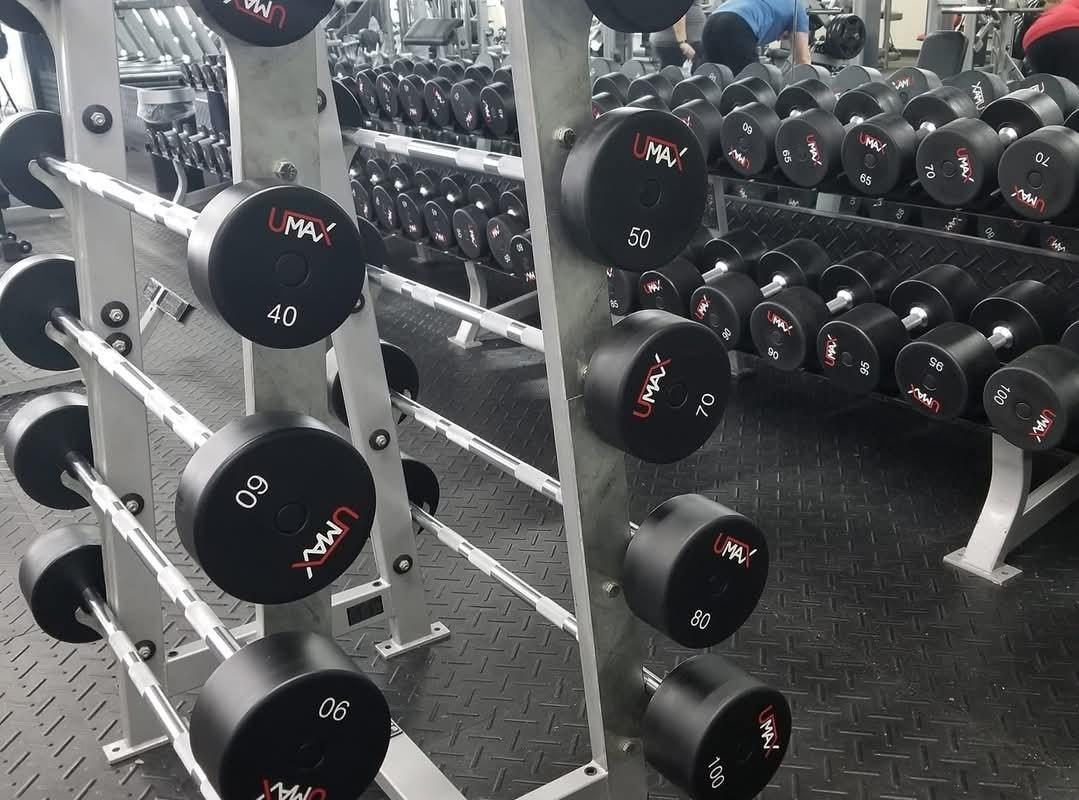
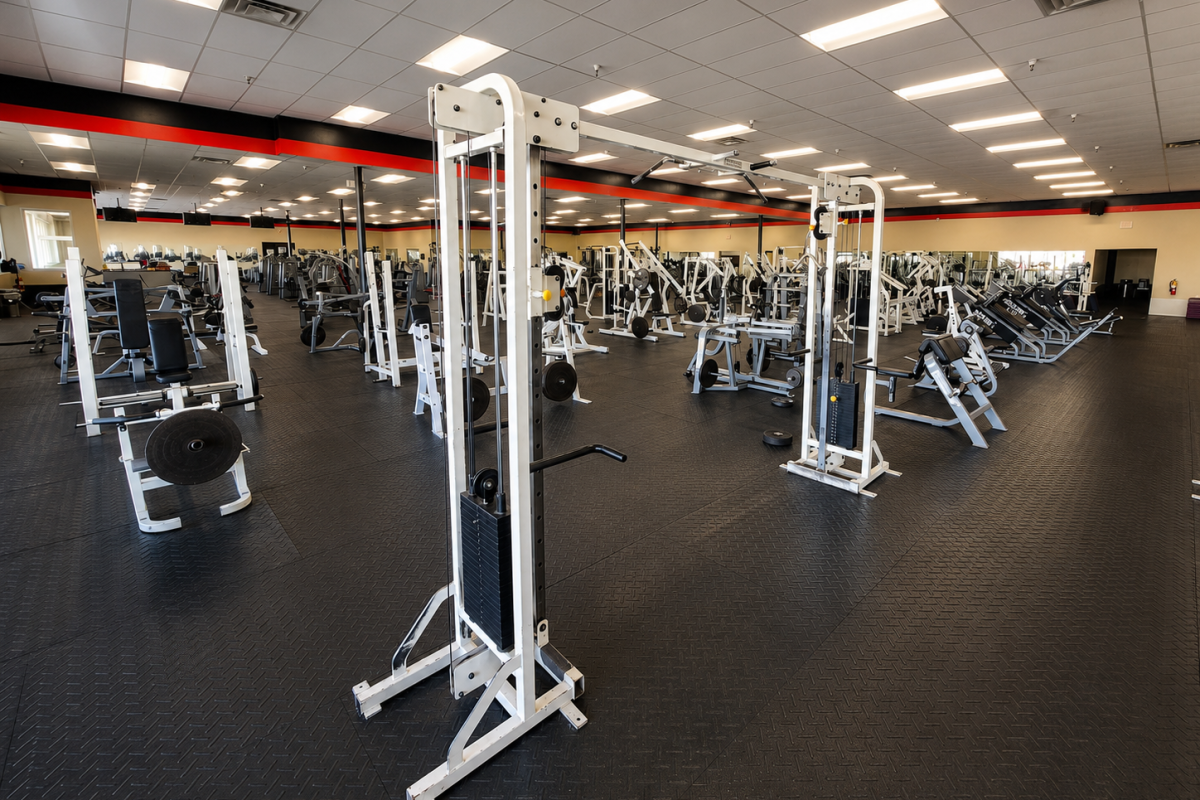
Consistency is the real engine here, and good food timing just supports what you’re already doing on the floor. Every Everybody Fitness location, including Kettering, has a full cardio lineup and a strength floor with racks, machines and free weights, so you’ve got what you need to keep training. If you’re closer to the north side, our Fairborn club offers the same setup.
If you’re still deciding whether a membership fits your routine, you can grab a free one-day pass and try us out. Come see the space, test the equipment and get a feel for the community.
This article is for informational purposes and is not medical advice. Consult your physician before starting any new fitness or nutrition program.
Everybody Fitness is a family-owned gym company that has run neighborhood clubs since 2012, with eight locations across Southwest Ohio spanning both the Dayton and Cincinnati metros. Wherever you train with us, building a simple routine around your workouts is one of the easiest wins you can give yourself.